Understanding Regulatory Requirements for Exterior Painting in Miami, FL and Surrounding Areas
Exterior painting projects involve more than choosing colors and applying a fresh coat of paint. In many regions, local regulations and building standards influence how exterior painting work must be performed. These regulations are designed to maintain property standards, protect the environment, and ensure safety during renovation activities. Homeowners and property managers who understand these requirements can avoid delays, fines, or compliance issues while completing exterior painting projects successfully.
Why are regulations important for exterior painting projects?
Regulations help ensure that exterior painting projects meet safety, environmental, and property standards. They guide homeowners and contractors in using approved materials and proper procedures. These rules also help maintain neighborhood appearance and protect surrounding properties. Following regulations ensures that the project is completed legally and responsibly.
Do exterior painting projects require permits?
In some cases, exterior painting projects may require permits depending on the scope of work. While simple repainting often does not require approval, structural changes or large-scale renovations may need permits. Local authorities may review the project to ensure it complies with building codes. Checking permit requirements before starting the project can prevent unnecessary delays.
How do environmental regulations affect exterior painting?
Environmental regulations often control the types of paints and chemicals used during exterior painting. Many regions encourage or require low-VOC or environmentally friendly paint products. These regulations reduce air pollution and protect the health of residents. Using compliant materials helps ensure the project meets environmental standards.
Are there rules regarding lead-based paint removal?
Yes, older buildings may contain lead-based paint that requires special handling. Regulations often require certified professionals to manage removal or containment procedures. This protects residents and workers from exposure to harmful materials. Proper handling ensures the project follows health and safety guidelines.
How do property associations influence painting regulations?
In some communities, property associations establish guidelines for exterior colors and design standards. These rules help maintain a consistent appearance across the neighborhood. Homeowners may need approval before making significant changes to exterior paint colors. Following these guidelines helps prevent disputes and maintains property value.
What safety standards must contractors follow?
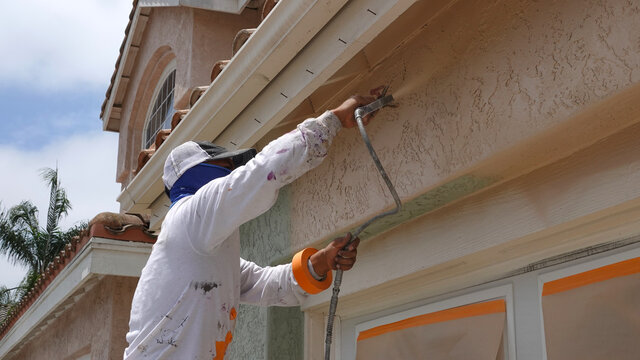
Contractors performing exterior painting must follow safety guidelines related to equipment, ladders, and scaffolding. These standards protect both workers and residents during the project. Proper safety procedures reduce the risk of accidents or property damage. Compliance ensures the project is completed professionally and responsibly.
How do weather conditions influence regulatory guidelines?
Weather conditions can impact when and how exterior painting work is performed. Some regulations or recommendations address safe working conditions during extreme heat or storms. Proper scheduling helps ensure that paint is applied under suitable conditions. This also improves the durability and appearance of the finished project.
Why is proper waste disposal required in painting projects?
Paint materials, containers, and cleaning chemicals must be disposed of properly to prevent environmental harm. Regulations often require contractors to follow approved waste disposal methods. Improper disposal can lead to contamination of soil or water sources. Responsible waste management helps protect the surrounding environment.
How do licensing requirements affect painting contractors?
Many regions require contractors to hold valid licenses before performing professional painting services. Licensing ensures that contractors meet certain skill and safety standards. Hiring licensed professionals gives homeowners confidence in the quality of the work. It also helps ensure the project follows all regulatory requirements.
What documentation may be required for painting projects?
Certain exterior painting projects may require documentation such as permits, inspection approvals, or contractor licenses. Keeping these records helps demonstrate compliance with local regulations. Documentation can also be useful for property records and future renovations. Proper recordkeeping ensures transparency and accountability.
Final Thought
Understanding regulatory requirements is an important step in planning any exterior painting project. From environmental guidelines to permit regulations, these rules help ensure that painting work is completed safely and responsibly. Homeowners who stay informed about these requirements can avoid complications and maintain compliance with local standards. By following the proper procedures, exterior painting projects can enhance property appearance while meeting all necessary regulations.

Do all exterior painting projects require permits?
Not always. Simple repainting may not require a permit, but larger renovation projects or structural changes might need approval.
What are VOC regulations in exterior paint?
VOC regulations limit the amount of harmful chemicals released into the air from paint products to protect environmental and public health.
Can homeowners remove lead-based paint themselves?
In many cases, certified professionals are required to safely handle and remove lead-based paint to avoid health risks
Why should homeowners hire licensed painting contractors?
Licensed contractors follow industry standards and local regulations, ensuring safe and compliant painting work.
How can homeowners confirm regulatory requirements before painting?
They can check local building guidelines, consult with licensed contractors, or contact local authorities for updated requirements.
Address: 8951 NE 8th Avenue, Miami, FL 33138
Phone: (903) 623-8518
Email: [email protected]